Algeria Travel Guide Introduction:
Planning a trip to Algeria? This complete Algeria Travel Guide will help you prepare for an unforgettable journey through Africa’s largest country. Whether you’re dreaming of wandering the white streets of Algiers, exploring the timeless villages of the M’Zab Valley, discovering the spectacular Roman ruins of Timgad and Djemila, or venturing into the breathtaking landscapes of the Sahara Desert, this guide answers the questions every traveler asks before visiting Algeria.
Although Algeria remains one of the world’s least-explored destinations, it is rapidly gaining recognition among travelers seeking authentic experiences, extraordinary landscapes, rich history, and genuine hospitality. From Mediterranean beaches and vibrant cities to endless dunes, prehistoric rock art, and UNESCO World Heritage Sites, Algeria offers an incredible diversity that few destinations can match.
This Algeria Travel Guide has been created by the travel specialists at Oryx Voyage using years of experience welcoming visitors from around the world. Inside, you’ll find practical travel advice, visa information, money and currency tips, safety guidance, transportation advice, cultural etiquette, weather recommendations, packing lists, and everything else you need to travel with confidence.
Whether you’re visiting for a few days or planning a once-in-a-lifetime expedition across the Sahara, this guide will help you prepare for an unforgettable journey through one of the world’s most rewarding travel destinations.
What You’ll Learn in This Algeria Travel Guide
In this guide, we’ll cover:
- Visa requirements and entry procedures
- Money, currency exchange, and payment methods
- Safety and security for travelers
- Best time to visit Algeria
- Transportation and getting around
- SIM cards, internet, and mobile coverage
- Local customs and cultural etiquette
- What to pack for cities and the Sahara
- Photography rules and practical advice
- Frequently asked questions from first-time visitors
Let’s discover why Algeria is becoming one of the most exciting emerging destinations for adventurous and culturally curious travelers.
Why Visit Algeria?
If you’re searching for a destination that combines spectacular landscapes, ancient history, authentic culture, and genuine hospitality, Algeria deserves a place at the top of your travel list. As Africa’s largest country, Algeria offers an extraordinary diversity of experiences—from the turquoise waters of the Mediterranean coast to the endless dunes of the Sahara Desert, from remarkably preserved Roman cities to centuries-old oasis settlements where life has changed little over the generations.
Unlike many popular destinations, Algeria remains refreshingly uncrowded. Here, you can explore world-class archaeological sites without large tour groups, wander through historic medinas at your own pace, and experience a level of authenticity that has become increasingly rare in modern tourism. Visitors are welcomed not as tourists, but as honored guests, making every journey through Algeria both personal and memorable.
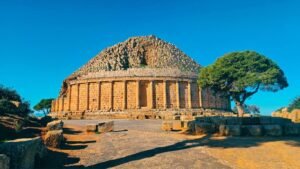
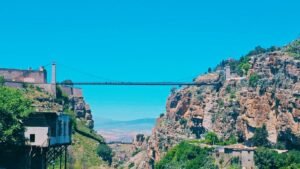
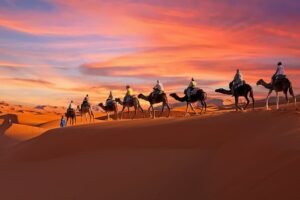
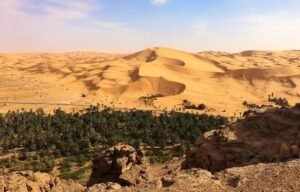
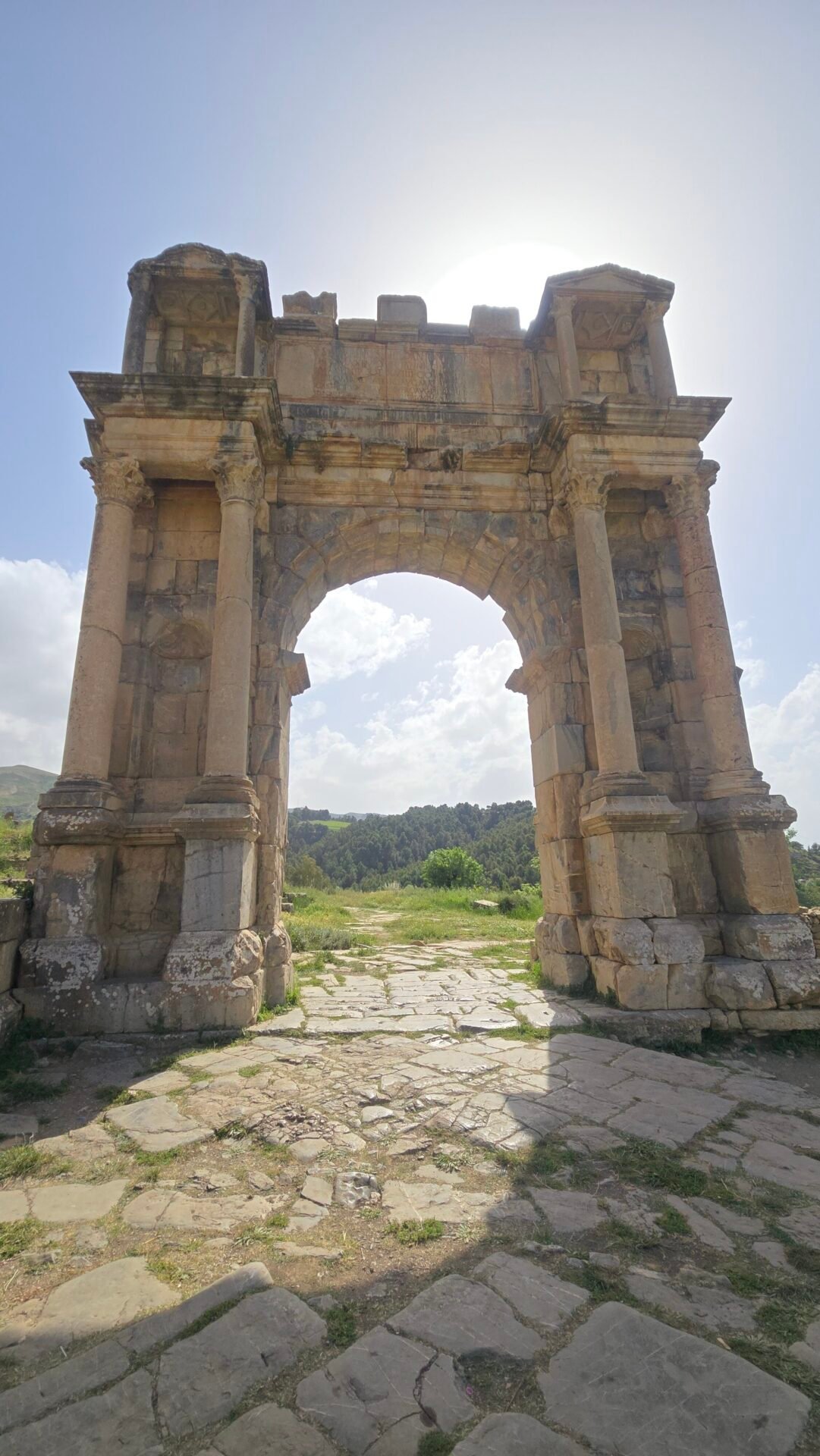
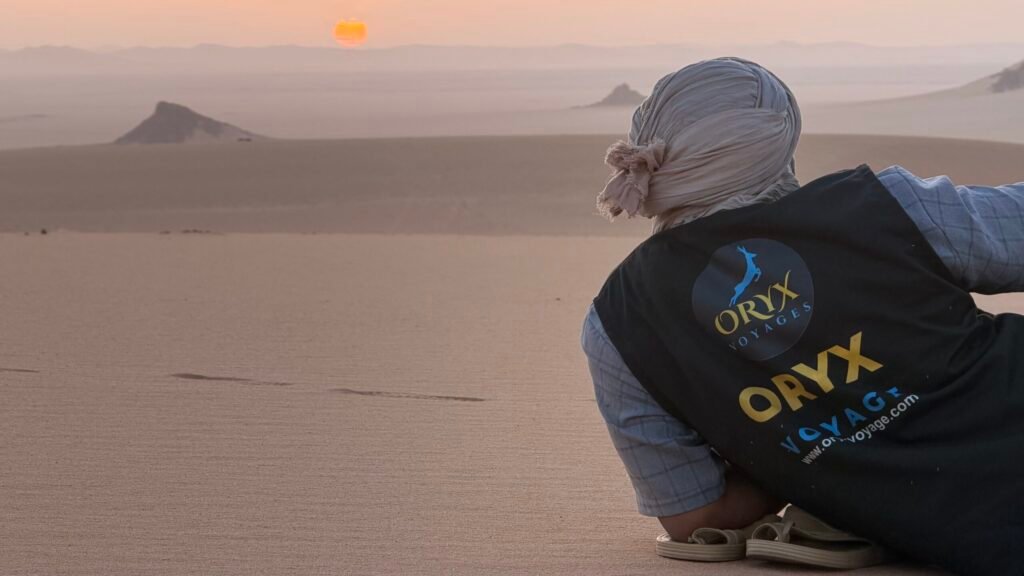
One of Algeria’s greatest treasures is its remarkable cultural and natural diversity. In a single trip, you can stroll through the white streets of Algiers, admire the breathtaking bridges of Constantine, discover the unique architecture of the M’Zab Valley, stand among the magnificent Roman ruins of Timgad and Djemila, and witness unforgettable sunsets over the golden dunes of Djanet, Timimoun, or Taghit.
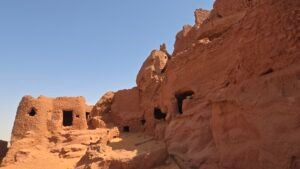
History enthusiasts will discover civilizations spanning more than two thousand years, including Numidian kingdoms, Roman cities, Islamic heritage, Ottoman landmarks, and French colonial architecture. Nature lovers can hike in the Djurdjura Mountains, relax on Mediterranean beaches, explore lush oasis valleys, or venture deep into the UNESCO-listed landscapes of Tassili n’Ajjer and the Hoggar Mountains, where prehistoric rock art and dramatic volcanic formations create some of the world’s most extraordinary desert scenery.
Food is another highlight of every journey. Traditional dishes such as couscous, rechta, chakhchoukha, taguella, and freshly baked local bread reflect the country’s rich cultural heritage, while sharing mint tea with local families often becomes one of the most memorable moments of any visit.
Perhaps the greatest reason to visit Algeria is the people. Algerians are renowned for their generosity, warmth, and hospitality. Whether you’re invited to share tea in a Saharan camp, welcomed into a family home in Ghardaïa, or chatting with local artisans in a historic ksar, you’ll quickly discover that the country’s greatest attraction is its people.
For travelers seeking authentic experiences rather than crowded attractions, Algeria offers one of the last truly undiscovered destinations in the Mediterranean and North Africa. Every journey reveals new landscapes, fascinating cultures, and unforgettable encounters that leave visitors eager to return.
Highlights of Visiting Algeria
- Discover seven UNESCO World Heritage Sites.
- Explore some of the world’s best-preserved Roman cities.
- Experience the breathtaking beauty of the Sahara Desert.
- Meet Tuareg, Mozabite, Kabyle, Chaoui, and other diverse communities.
- Enjoy authentic hospitality and traditional Algerian cuisine.
- Travel through one of Africa’s safest and least-crowded destinations.
- Experience landscapes ranging from Mediterranean beaches to snow-capped mountains and vast desert dunes.
Algeria Travel Guide: Visa Requirements and Entry Procedures
Before traveling to Algeria, one of the first things to check is whether you need a visa. The visa requirements depend on your nationality, the purpose of your visit, and the regions you plan to explore.
Today, most international visitors can travel to Algeria using either a standard tourist visa issued by an Algerian embassy or consulate, or the Algeria Visa on Arrival, which is available for eligible travelers visiting the Sahara through an approved local tour operator.
Standard Tourist Visa
The standard tourist visa is suitable for travelers visiting any part of Algeria. Applications are submitted through the Algerian embassy or consulate in your country before departure.
Depending on your nationality, you may be asked to provide:
- A passport valid for at least six months
- A completed visa application form
- Recent passport photographs
- Flight itinerary
- Hotel reservation or accommodation confirmation
- Travel insurance
- Proof of sufficient financial means
- Algerian Visa invitation letter
Processing times vary between embassies, so it’s recommended to apply several weeks before your planned departure.
Algeria Visa on Arrival (eVisa System)
To encourage tourism in the Algerian Sahara, Algeria introduced a simplified Visa on Arrival system for eligible travelers.
The process begins online, where visitors submit their application and supporting documents before traveling. Once the application is approved, travelers receive a travel authorization that allows them to board their flight. The actual visa is then issued upon arrival at the designated Algerian airport.
Although many travelers refer to this online application as the Algeria eVisa, it is important to understand that it is part of the Visa on Arrival process, not a separate visa type.
This option is available for travelers visiting approved Sahara destinations with an authorized Algerian travel agency, including destinations such as:
- Djanet
- Tamanrasset
- Tassili n’Ajjer
- Hoggar Mountains
- Timimoun
- Taghit
- Other approved tourism circuits
Passport Requirements
Regardless of the visa option you choose, your passport should:
- Be valid for at least six months beyond your arrival date.
- Have blank pages available for visa stamps.
Oryx Voyage Visa Assistance
At Oryx Voyage, we assist travelers throughout the entire visa process. Whether you require a standard tourist visa or wish to use Algeria’s Visa on Arrival system for the Sahara, we prepare all the required travel documents, accommodation confirmations, itineraries, and official tourism invitations needed to support your application.
Related Guides
- Algeria Visa on Arrival
- Algeria Visa Application Guide
- Algerian Visa Invitation Letter
Is Algeria Safe to Visit?
One of the most common questions travelers ask before planning a trip is: “Is Algeria safe to visit?” The answer is yes. Millions of Algerians go about their daily lives in a peaceful environment, and thousands of international visitors discover the country each year without incident.
Like any destination, sensible precautions are always recommended. However, visitors are often pleasantly surprised by how welcoming, relaxed, and secure they feel throughout their journey.
A Safe Destination for Responsible Travelers
Over the past two decades, Algeria has invested significantly in security, infrastructure, and tourism. Today, the country’s major cities, cultural attractions, UNESCO World Heritage Sites, and tourist regions are considered safe for visitors.
Popular destinations such as Algiers, Constantine, Ghardaïa, Djanet, Timimoun, Taghit, Tlemcen, Oran, Béjaïa, and the M’Zab Valley welcome travelers from around the world every year.
Visitors frequently comment on the friendliness of local people, who are known for their generosity and genuine curiosity toward foreign guests. It is not unusual to be invited for tea, offered directions, or welcomed into conversations by complete strangers.
Safety in the Algerian Sahara
The Sahara is one of Algeria’s greatest treasures and one of its safest tourism regions when explored through an authorized local operator.
Tours are carefully planned with experienced guides who know the terrain, weather conditions, and local communities. Routes are selected with safety, comfort, and environmental responsibility in mind, allowing visitors to fully enjoy the breathtaking landscapes of the Tassili n’Ajjer, Hoggar Mountains, Djanet, Timimoun, and Taghit with complete peace of mind.
Safety Tips for Travelers
Although Algeria is considered a safe destination, it’s always wise to follow the same common-sense precautions you would take anywhere in the world:
- Keep your passport and valuables in a secure place.
- Avoid carrying large amounts of cash.
- Use licensed guides and reputable tour operators for desert excursions.
- Respect local customs and dress modestly when visiting religious sites or traditional communities.
- Ask permission before photographing people.
- Follow the advice of your guide when exploring remote areas.
Solo Travelers and Women Travelers
Algeria is increasingly attracting solo travelers seeking authentic experiences. Both men and women can enjoy the country comfortably, particularly when traveling with organized tours or experienced local guides.
Women are not required to wear a headscarf, although modest clothing is appreciated, especially in rural communities and religious sites. Algerians are generally respectful and hospitable, and many visitors remark on how welcome they feel throughout their stay.
Hospitality: Algeria’s Greatest Strength
Perhaps the greatest source of confidence for visitors is the hospitality of the Algerian people. Across the country, guests are treated with warmth, kindness, and genuine respect. Sharing tea with a Tuareg family in the Sahara, enjoying a traditional meal in the M’Zab Valley, or chatting with local artisans in a historic medina often becomes the highlight of a trip.
For many travelers, the memories they cherish most are not only the spectacular landscapes, but also the people they meet along the way.
Travel with Confidence
At Oryx Voyage, your safety and comfort are our highest priorities. From airport arrival to your final departure, every itinerary is carefully organized with trusted local partners, experienced guides, comfortable transportation, and 24/7 assistance throughout your stay.
With proper preparation and local expertise, Algeria offers one of North Africa’s most rewarding, authentic, and memorable travel experiences.
Best Time to Visit Algeria
One of the greatest advantages of traveling to Algeria is that there is no single “best” season. Thanks to its immense size and diverse geography, every time of year offers unique experiences somewhere in the country. Whether you’re dreaming of Mediterranean beaches, Roman ruins, mountain hikes, or unforgettable Sahara adventures, there’s always an ideal time to visit.
Spring (March to May)
Spring is widely considered the best season to visit Algeria. Temperatures are pleasant across most of the country, landscapes become greener, and wildflowers bloom in many regions.
It’s an excellent time to explore cities such as Algiers, Constantine, Tlemcen, Oran, and Béjaïa, while also enjoying comfortable conditions in the Sahara before the summer heat arrives.
Average temperatures:
- Northern Algeria: 18–28°C
- Sahara: 25–35°C
Spring is ideal for:
- City tours
- Roman archaeological sites
- Hiking in the Djurdjura Mountains
- M’Zab Valley
- Taghit
- Timimoun
- Djanet
- Tassili n’Ajjer
Summer (June to August)
Summer brings warm weather to the Mediterranean coast and high temperatures in the Sahara. Coastal cities remain lively thanks to refreshing sea breezes, making this the perfect season to enjoy beaches, festivals, and evening promenades.
In southern Algeria, daytime temperatures regularly exceed 40°C, making extended desert trekking less comfortable. However, some travelers still enjoy luxury desert stays during this season, especially with carefully planned itineraries.
Average temperatures:
- Coast: 28–35°C
- Sahara: 38–48°C
Summer is best for:
- Mediterranean beaches
- Coastal cities
- Cultural festivals
- Family holidays
Autumn (September to November)
Autumn marks the beginning of the Sahara travel season and is one of the most popular times to visit Algeria. Temperatures become comfortable again throughout the country, making it ideal for both northern cities and desert expeditions.
This is the perfect season for exploring Djanet, the Tassili n’Ajjer National Park, the Hoggar Mountains, Timimoun, Taghit, Beni Abbès, and the M’Zab Valley.
Average temperatures:
- Northern Algeria: 20–30°C
- Sahara: 25–35°C
Autumn is ideal for:
- Sahara expeditions
- Camel trekking
- 4×4 adventures
- Photography
- Cultural tours
Winter (December to February)
Winter is the best season to discover the Algerian Sahara. Days are pleasantly warm, skies are crystal clear, and nights around the campfire create unforgettable memories beneath millions of stars.
Meanwhile, northern Algeria experiences mild winters that remain suitable for sightseeing, although mountain regions occasionally receive snowfall.
Average temperatures:
- Coast: 12–20°C
- Sahara (day): 18–28°C
- Sahara (night): 2–10°C
Winter is perfect for:
- Djanet
- Tassili n’Ajjer
- Hoggar
- Tamanrasset
- Timimoun
- Taghit
- Beni Abbès
- Ghardaïa
When Should You Visit Algeria?
The best time to visit depends on the experience you’re looking for.
If your dream is exploring the Sahara Desert, October through April offers the most comfortable conditions.
For cultural tours, Roman ruins, and historic cities, March to May and September to November provide pleasant temperatures and excellent sightseeing weather.
If you’re interested in beaches and the Mediterranean coastline, June through September is the ideal season.
Because Algeria stretches across more than 2.3 million square kilometers, many travelers combine different regions during the same trip, enjoying the Mediterranean coast, ancient heritage sites, oasis towns, and the Sahara in a single unforgettable journey.
Money & Currency in Algeria
Understanding how money works in Algeria will help you travel more comfortably and avoid unnecessary surprises. Although electronic payments are becoming more common, Algeria remains largely a cash-based destination, particularly outside major cities and international hotels.
The Algerian Dinar (DZD)
The official currency of Algeria is the Algerian Dinar (DZD).
Banknotes currently in circulation include:
- 200 DZD
- 500 DZD
- 1,000 DZD
- 2,000 DZD
Coins are available in several denominations, including 5, 10, 20, 50, 100, and 200 DZD.
Why Prices Can Be Confusing
One of the first things many visitors notice is that Algerians sometimes quote prices using an old counting habit rather than the actual value of the currency.
For example, someone may say a coffee costs “3,000”, even though the actual price is 30 Algerian Dinars. Likewise, you may hear “5,000” when the real amount is 50 DZD.
This traditional way of counting is common throughout the country and can be confusing for first-time visitors.
If you’re unsure, simply ask:
“Do you mean dinars?”
People will gladly clarify the amount.
Cash Is King
Cash is still the preferred payment method throughout Algeria.
You’ll be able to pay by card in some:
- International hotels
- Large supermarkets
- Modern shopping centers
- A limited number of restaurants
However, in traditional markets, cafés, taxis, small shops, local restaurants, and most businesses, cash is essential.
If you’re traveling into the Sahara or visiting smaller towns, you should expect to pay almost everything in cash.
Currency Exchange
The easiest currency to exchange in Algeria is the Euro (€), although several other major currencies may also be accepted by official banks.
Currency exchange can be completed at:
- Banks
- International airports
- Some major hotels
When exchanging money:
- Carry your passport.
- Keep your exchange receipts until you leave Algeria.
- Exchange only the amount you expect to use.
Avoid the Black Market
You may hear about an informal exchange market that offers higher exchange rates than official banks.
While some visitors discuss this option online, it is not legal. For your safety and peace of mind, we strongly recommend exchanging money only through authorized financial institutions.
Using official exchange services ensures compliance with local regulations and avoids unnecessary risks during your trip.
ATMs
ATMs are available in most major cities, including:
- Algiers
- Oran
- Constantine
- Tlemcen
- Béjaïa
- Ghardaïa
- Tamanrasset
However, availability may be more limited in smaller towns and remote desert regions. Machines can occasionally run out of cash or be temporarily unavailable.
If your itinerary includes the Sahara, it’s advisable to withdraw sufficient cash before leaving larger cities.
Credit Cards
International Visa and Mastercard cards are accepted in a limited number of establishments.
Before traveling, inform your bank that you’ll be using your card in Algeria to help prevent security blocks on international transactions.
Even if you plan to use your card whenever possible, always carry enough cash to cover daily expenses.
Tipping
Tipping is appreciated throughout Algeria but is never obligatory.
Many visitors choose to leave a small tip for:
- Tour guides
- Drivers
- Hotel staff
- Restaurant servers
Above all, Algerians value kindness, courtesy, and respect. A warm smile and a sincere “thank you” are often appreciated just as much as a tip.
Quick Money Tips
Before you travel, remember these simple recommendations:
- Bring Euros for easy exchange.
- Carry enough cash, especially when traveling outside major cities.
- Keep small banknotes for taxis, cafés, and local markets.
- Exchange money only through authorized banks.
- Don’t rely solely on credit cards.
- Withdraw cash before heading into remote Sahara regions.
Algeria Travel Guide: Transportation and Getting Around
One of the biggest questions travelers have when planning a trip is how easy it is to get around the country. Because Algeria is the largest country in Africa, traveling between destinations requires some planning. Fortunately, visitors have several transportation options depending on their itinerary, budget, and travel style.
Whether you’re exploring the Mediterranean coast, discovering ancient Roman cities, or venturing deep into the Sahara, this Algeria Travel Guide will help you choose the best way to travel.
Domestic Flights
For long distances, domestic flights are the fastest and most convenient option.
Algeria has an extensive domestic air network connecting major cities with southern destinations such as Djanet, Tamanrasset, Timimoun, Béchar, El Oued, Ghardaïa, and Adrar.
If your itinerary includes the Sahara, flying will save considerable travel time and allow you to maximize your experience.
Traveling by Road
Algeria has an excellent road network connecting most cities and tourist destinations.
Modern highways link Algiers with Oran, Constantine, Sétif, Béjaïa, and many other northern cities. Scenic roads also connect the northern regions with the Sahara, passing through mountains, high plateaus, and beautiful oasis towns.
Road travel allows visitors to discover landscapes and villages that would otherwise be missed by flying.
Private Transportation
For most international visitors, private transportation is the most comfortable and efficient way to explore Algeria.
Traveling with a professional driver and guide offers several advantages:
- Flexible itineraries
- Comfortable air-conditioned vehicles
- Local knowledge and cultural insights
- No language barriers
- Convenient hotel-to-hotel transfers
- Stress-free travel between attractions
This option is particularly recommended for travelers wishing to discover multiple regions during the same journey.
Car Rental
Rental cars are available in major cities and airports.
While experienced drivers may enjoy the flexibility of self-driving, visitors should be aware that traffic in larger cities can be busy, and road signs may vary between Arabic and French.
Driving in remote Sahara regions should only be undertaken with experienced local guides and suitable 4×4 vehicles.
Public Transportation
Algeria also offers affordable public transportation.
Options include:
- Intercity buses
- Local buses
- Shared taxis
- Tramways in several cities
- Metro in Algiers
- Train services connecting many northern cities
These options are popular with local residents and can be an economical way to travel, although schedules may not always suit visitors with limited time.
Exploring the Sahara
Traveling through the Algerian Sahara is unlike traveling anywhere else in the country.
Many of the region’s most spectacular attractions—including Tassili n’Ajjer National Park, the Hoggar Mountains, Tadrart Rouge, and remote desert camps—are only accessible by specially equipped 4×4 vehicles accompanied by experienced local guides.
These journeys are carefully planned to ensure comfort, safety, and respect for the fragile desert environment while allowing visitors to experience some of the world’s most extraordinary landscapes.
How We Recommend Traveling Around Algeria
For first-time visitors, combining domestic flights with private road transportation offers the best balance of comfort, efficiency, and flexibility.
This approach allows you to experience Algeria’s remarkable diversity—from vibrant Mediterranean cities and UNESCO World Heritage Sites to tranquil oasis towns and the breathtaking beauty of the Sahara—without spending unnecessary time on long journeys.
Whether you’re planning a short city break or a multi-week adventure, choosing the right transportation will make your travel to Algeria smoother, more enjoyable, and far more rewarding.
Algeria Travel Guide: Food, Drinks & What to Eat
One of the highlights of any Algeria travel guide is discovering the country’s rich culinary traditions. Influenced by Berber, Arab, Ottoman, Andalusian, and Mediterranean cultures, Algerian cuisine is generous, flavorful, and deeply rooted in hospitality. Sharing a meal is considered a sign of friendship, and visitors are often invited to enjoy homemade dishes with local families.
Traditional Algerian Dishes You Should Try
No visit to Algeria is complete without tasting some of the country’s most iconic specialties, including:
- Couscous – Algeria’s national dish, traditionally served with vegetables, meat, or chicken.
- Chakhchoukha – A hearty specialty from eastern Algeria made with torn flatbread, rich tomato sauce, and tender meat.
- Rechta – Fine handmade noodles served with chicken and a delicate white sauce, especially popular in Algiers.
- Mhadjeb – Thin stuffed flatbread filled with tomatoes, onions, and spices, often enjoyed as street food.
- Dobara – A flavorful chickpea and fava bean soup originating from Biskra.
- Mechoui – Slow-roasted lamb, particularly popular during celebrations and in the Sahara.
- Taguella (Tuareg Bread) – Traditional bread baked beneath hot desert sand and served with meat or vegetables during Sahara expeditions.
Every region has its own culinary identity, making travel to Algeria a journey through diverse flavors and traditions.
Fresh Produce and Local Ingredients
Thanks to its varied climate, Algeria produces an abundance of fresh fruits and vegetables throughout the year.
Visitors can enjoy:
- Sweet Deglet Nour dates from the Sahara
- Seasonal citrus fruits
- Fresh figs and pomegranates
- Olives and olive oil
- Locally grown herbs and spices
Markets are colorful, lively, and an excellent place to discover everyday Algerian life.
Drinking Water
Tap water is generally treated in major cities, but most international visitors prefer bottled mineral water throughout their trip.
Bottled water is inexpensive and widely available in supermarkets, hotels, restaurants, and convenience stores.
During excursions in the Sahara, your tour operator should always provide sufficient bottled drinking water, as staying hydrated is essential in the desert climate.
Coffee, Tea & Soft Drinks
Algerians take great pride in their coffee culture.
You’ll find excellent espresso in cafés across the country, reflecting the strong Mediterranean influence. Fresh mint tea is also commonly served, especially when welcoming guests into homes.
In the Sahara, sharing several rounds of traditional Tuareg tea is much more than enjoying a drink—it is an important social ritual symbolizing friendship, patience, and hospitality.
Fresh fruit juices, soft drinks, and bottled beverages are also widely available.
Alcohol in Algeria
Alcohol is legal in Algeria but is not widely available.
Visitors can usually purchase alcoholic beverages in:
- International hotels
- Selected restaurants
- Licensed bars
- Specialized liquor stores in some cities
Public consumption of alcohol is prohibited, and visitors should always respect local customs and cultural sensitivities.
Food Safety
Restaurants, hotels, and cafés serving tourists generally maintain good hygiene standards.
To enjoy the best culinary experience during your trip to Algeria, we recommend:
- Drinking bottled water.
- Eating at reputable restaurants or hotels.
- Washing fruit before eating when appropriate.
- Trying local specialties prepared by experienced hosts or trusted guides.
One of the greatest rewards of visiting Algeria is discovering a cuisine that remains authentic, largely untouched by mass tourism, and deeply connected to the country’s history, landscapes, and traditions.
Language & Communication in Algeria
One question many visitors have before traveling to Algeria is whether they will be able to communicate easily. The good news is that while Arabic is the official language, most travelers find it surprisingly easy to get around with a little English, French, or the help of a local guide.
What Languages Are Spoken in Algeria?
Algeria is a multilingual country with a rich cultural heritage.
The main languages spoken are:
- Arabic – The official language and the most widely spoken throughout the country.
- Tamazight (Berber) – Also an official language, spoken in many regions including Kabylia, the Aurès Mountains, the M’Zab Valley, and parts of the Sahara by Tuareg communities.
- French – Used extensively in business, education, tourism, road signs, restaurants, hotels, and everyday communication.
- English – Increasingly spoken by younger Algerians, especially in universities, hotels, and the tourism industry.
Can You Travel in Algeria Speaking Only English?
Yes—but with some limitations.
English is becoming more common every year, particularly among younger generations and tourism professionals. However, French remains the most useful foreign language for everyday interactions.
If you’re joining an organized tour with Oryx Voyage, your guide will handle communication, allowing you to travel comfortably even if you don’t speak Arabic or French.
Helpful Arabic Expressions
Learning a few local phrases is always appreciated and often leads to warm smiles.
| English | Arabic |
|---|---|
| Hello | Salam Alaikum |
| Thank you | Shukran |
| Please | Min Fadlik |
| Yes | Na’am |
| No | La |
| Goodbye | Ma’a Salama |
Even a few simple words show respect for local culture and often create memorable interactions with local people.
Hospitality Goes Beyond Language
One of the most memorable aspects of traveling to Algeria is the warmth of its people.
Algerians are known for their hospitality and generosity. Even when there is a language barrier, visitors often find that smiles, gestures, and genuine kindness are enough to communicate.
Don’t be surprised if someone offers you tea, dates, or assistance without expecting anything in return. Welcoming guests is an important part of Algerian culture, and many travelers say these spontaneous encounters become some of their favorite memories.
Internet & SIM Cards in Algeria
Staying connected is easy when traveling to Algeria. Mobile coverage is excellent across most cities and towns, and affordable prepaid SIM cards make it simple to access maps, messaging apps, and social media throughout your journey.
Buying a SIM Card in Algeria
International visitors can purchase a prepaid SIM card shortly after arriving in Algeria.
SIM cards are available at:
- International airports
- Official mobile network stores
- Authorized retailers in major cities
To register a SIM card, you will need to present your passport.
The registration process is quick, and your SIM is usually activated within minutes.
Best Mobile Networks
Algeria has three major mobile operators:
Mobilis
Mobilis offers the widest network coverage, making it the best choice for travelers planning to visit the Sahara, remote oases, or smaller towns. It is our recommended operator for most visitors.
Djezzy
Djezzy provides excellent service in major cities and along the northern coast, with competitive data packages and reliable 4G coverage.
Ooredoo Algeria
Ooredoo also offers strong coverage in urban areas, fast mobile internet, and attractive prepaid plans for tourists.
Mobile Internet Coverage
4G service is available throughout most of Algeria’s populated areas, including:
- Algiers
- Oran
- Constantine
- Ghardaïa
- Béjaïa
- Tlemcen
- Most major towns and tourist destinations
In remote desert regions such as Tassili n’Ajjer, Hoggar, and deep Sahara expeditions, coverage may become limited or disappear completely. Many travelers actually appreciate the opportunity to disconnect and enjoy the silence of the desert.
Wi-Fi Availability
Wi-Fi is widely available in:
- Hotels
- Guesthouses
- Cafés
- Restaurants
- Some airports
Connection speeds are generally sufficient for messaging, browsing, and video calls, although they may vary depending on the location.
Staying Connected During Sahara Tours
If you’re traveling to Algeria to explore the Sahara, expect limited mobile coverage once you leave populated areas.
During organized tours with Oryx Voyage, your guides are equipped with reliable communication systems and know the routes well, ensuring both convenience and safety throughout your expedition.
A temporary break from constant connectivity often becomes one of the most memorable parts of a Sahara adventure—allowing you to fully appreciate the vast landscapes, star-filled skies, and peaceful rhythm of the desert.
Health & Medical Information for Traveling to Algeria
Healthcare is readily available in Algeria’s major cities, and most visitors traveling to Algeria complete their trip without experiencing any health-related issues. With a little preparation and common sense, you can enjoy a safe and comfortable journey.
Do You Need Vaccinations for Algeria?
There are no mandatory vaccinations for most travelers entering Algeria directly from Europe, North America, or many other countries.
However, it is always advisable to ensure your routine vaccinations are up to date, including:
- Tetanus
- Measles, Mumps & Rubella (MMR)
- Hepatitis A (commonly recommended for international travel)
- Hepatitis B (depending on your travel plans)
If you are arriving from a country where Yellow Fever is present, you may be required to present a valid Yellow Fever vaccination certificate upon arrival.
Before traveling, consult your doctor or local travel clinic for the latest health recommendations.
Pharmacies and Medical Care
Pharmacies are easy to find in cities, towns, and many villages across Algeria.
Most pharmacies stock:
- Pain relievers
- Cold and flu medication
- Allergy medicine
- First-aid supplies
- Sunscreen
- Basic prescription medications
Hospitals and private clinics are available throughout the country, with the highest concentration of specialist facilities in cities such as Algiers, Oran, Constantine, and Annaba.
Travel Insurance
Although traveling to Algeria is generally straightforward, comprehensive travel insurance is strongly recommended.
Your policy should ideally cover:
- Medical treatment
- Emergency evacuation
- Trip cancellation or interruption
- Lost or delayed baggage
- Personal liability
Travel insurance provides peace of mind, especially if your itinerary includes remote Sahara expeditions or domestic flights.
Desert Health Tips
If your itinerary includes the Algerian Sahara, a few extra precautions will help you stay comfortable.
We recommend:
- Drinking plenty of bottled water throughout the day.
- Wearing a wide-brimmed hat and sunglasses.
- Applying high-SPF sunscreen regularly.
- Wearing lightweight, breathable clothing.
- Bringing lip balm and moisturizer, as the desert air is extremely dry.
- Taking breaks in the shade during the hottest part of the day.
Although daytime temperatures can be high, evenings in the Sahara can become surprisingly cool, so pack a light jacket or fleece.
Essential Personal Medication
If you take prescription medication, bring enough for your entire trip, along with a copy of your prescription if possible.
It’s also a good idea to carry a small personal medical kit containing:
- Adhesive bandages
- Antiseptic wipes
- Motion sickness tablets
- Anti-diarrheal medication
- Electrolyte sachets
- Insect repellent (especially in oasis regions)
With good preparation and sensible precautions, traveling to Algeria is a comfortable experience, allowing you to focus on discovering the country’s spectacular landscapes, fascinating history, and legendary hospitality.
Frequently Asked Questions About Traveling to Algeria
Is Algeria safe for tourists?
Yes. Algeria is considered one of the safest countries in North Africa for international visitors. Violent crime against tourists is extremely rare, and most travelers are pleasantly surprised by the warmth and hospitality of the local people. Like anywhere else, follow normal travel precautions and respect local customs.
Do I need a visa for Algeria?
Most foreign nationals require a visa before traveling to Algeria. However, eligible visitors entering the Algerian Sahara through approved tour operators can apply for the Algeria Visa on Arrival, which follows a simplified procedure designed to promote tourism.
Our team at Oryx Voyage manages the entire visa process, making your journey as smooth as possible.
What is the best time to visit Algeria?
Algeria is a year-round destination, but the ideal season depends on where you plan to travel.
- September to April – Perfect for Sahara expeditions and desert adventures.
- March to May – Excellent for exploring northern Algeria, Roman ruins, and mountain landscapes.
- September to November – Pleasant temperatures throughout most of the country.
- June to August – Ideal for Mediterranean beaches, although the Sahara can be extremely hot.
Can I travel independently?
Yes, many parts of Algeria can be explored independently.
However, if you are traveling to Algeria for the first time—or planning to visit the Sahara, remote oases, or archaeological sites—a guided tour provides greater comfort, deeper cultural insights, and a much smoother travel experience.
Is Algeria expensive?
Compared with many Mediterranean destinations, Algeria offers excellent value for money.
Accommodation, restaurants, transportation, and entrance fees are generally affordable, allowing visitors to enjoy premium experiences at reasonable prices.
Can I use my credit card?
Cash remains the preferred method of payment throughout Algeria.
International bank cards are accepted in some hotels and a limited number of businesses, but visitors should carry enough Algerian dinars for daily expenses.
Can I drink tap water?
Tap water is treated in most cities, but bottled mineral water is recommended for international visitors throughout their stay.
Do people speak English?
English is becoming increasingly common, especially among younger Algerians and tourism professionals.
French remains the most widely spoken foreign language, while Arabic and Tamazight are the country’s official languages.
Why Travel to Algeria with Oryx Voyage?
Planning a journey is one thing. Experiencing the real Algeria is something entirely different.
At Oryx Voyage, we don’t simply organize tours—we create authentic experiences that connect travelers with the country’s landscapes, history, and people.
When you travel with us, you benefit from:
✔ Complete Algeria Visa on Arrival assistance
✔ Carefully designed private and small-group tours
✔ Experienced multilingual local guides
✔ Comfortable transportation and quality accommodation
✔ Genuine cultural encounters with local families and communities
✔ Expert planning from arrival to departure
Whether you dream of exploring the Roman cities of Timgad and Djemila, wandering through the UNESCO-listed M’Zab Valley, watching the sunset over the dunes of Taghit, or discovering the breathtaking landscapes of Djanet and the Tassili n’Ajjer, our team is here to make your journey unforgettable.
Our mission is simple:
We don’t just plan trips—we craft timeless experiences.
Start Planning Your Journey to Algeria
Traveling to Algeria is unlike traveling anywhere else.
From the Mediterranean coastline and Roman ruins to timeless ksour, vibrant cities, endless Sahara landscapes, and some of the world’s warmest hospitality, Algeria remains one of the last truly authentic travel destinations.
Whether you’re planning your first visit or returning to explore more of this extraordinary country, every journey reveals another story waiting to be discovered.
At Oryx Voyage, we’re passionate about helping travelers experience the real Algeria through carefully designed itineraries, knowledgeable local guides, and personalized service from the moment you contact us.
Ready to discover Algeria?
Contact Oryx Voyage today and let us help you design the perfect journey—from visa assistance and tailor-made itineraries to unforgettable adventures across Africa’s largest country.