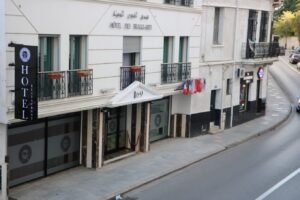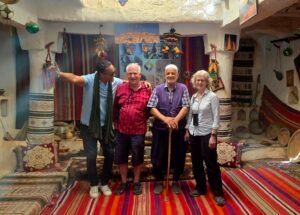
In a landmark recognition that signals a major shift in global travel trends, BBC Travel has ranked Algeria as the second-best destination to visit in 2026, placing it alongside the world’s most exciting and meaningful places to explore.
Long described as the “sleeping beauty of African tourism”, Algeria is finally stepping into the spotlight – and doing so on its own terms.
A giant of history, culture and landscapes – without the crowds
BBC Travel’s editors highlighted Algeria for what many seasoned travellers quietly know: few countries on Earth offer such scale, diversity and authenticity in one destination.
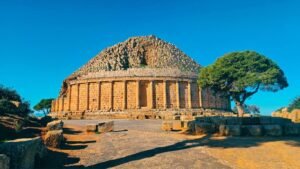
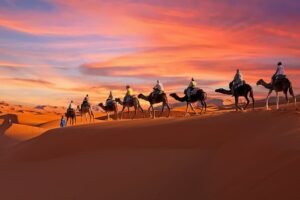
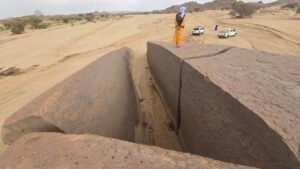
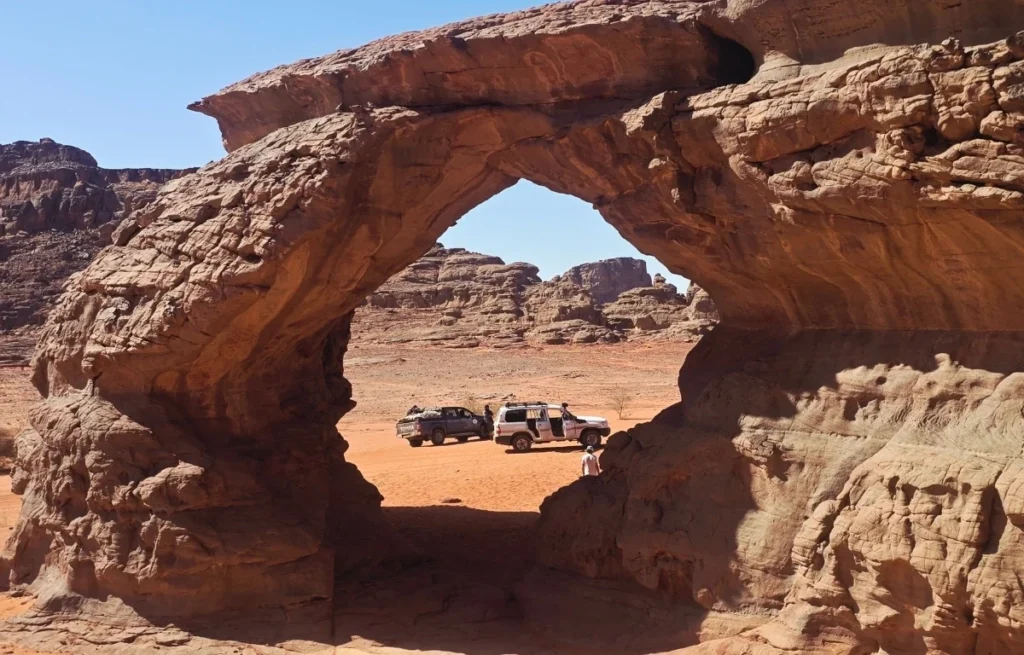
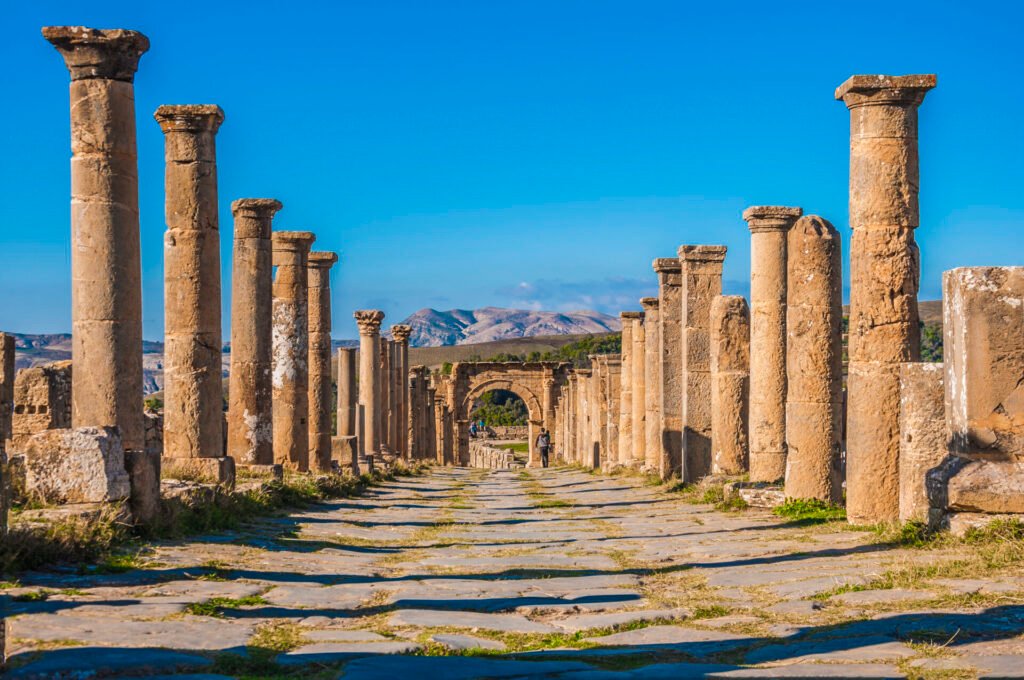
From the vast Sahara Desert, stretching endlessly with sculpted dunes and prehistoric rock art, to some of the best-preserved Roman cities in the world, Algeria feels like travelling through multiple countries in a single journey.
Sites such as Timgad and Djémila rival Rome or Pompeii in grandeur – yet remain astonishingly uncrowded. Visitors can walk ancient streets in near silence, absorbing history without queues, noise or overtourism.
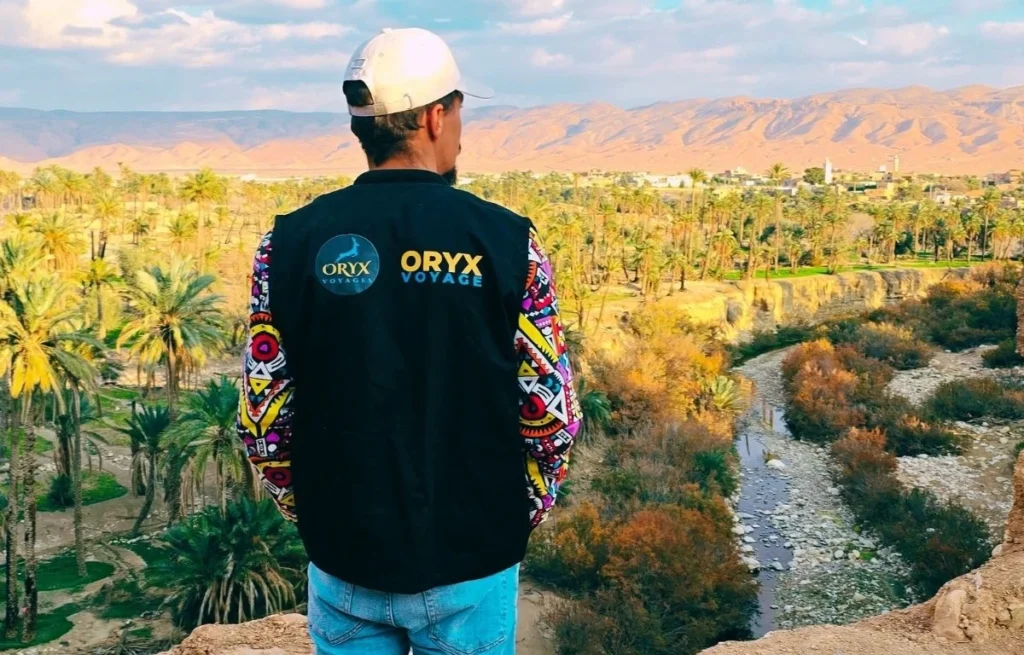
A turning point: easier access and renewed openness
For decades, Algeria’s complex visa procedures kept international tourism limited. That is now changing rapidly.
BBC Travel noted several key developments driving Algeria’s rise in 2026:
- Visa on arrival for organised tours, removing a major barrier for travellers
- New domestic airline connections improving access across the country
- Strong government investment in heritage preservation and artisan support, benefiting more than 460,000 craftspeople
- A clear strategy to grow tourism responsibly, with a target of 12 million visitors annually by 2030
Rather than chasing mass tourism, Algeria is positioning itself as a destination for curious, culturally minded travellers seeking depth over spectacle.
Cities shaped by millennia
Most journeys begin in Algiers, a Mediterranean capital layered with Phoenician, Ottoman, French and modern influences. Its whitewashed hills, seafront promenades and the UNESCO-listed Casbah of Algiers tell a story spanning more than 3,000 years.
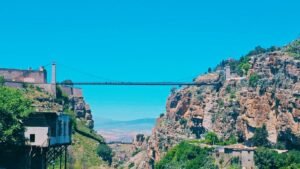
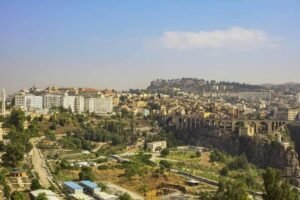
Further east, Constantine, dramatically suspended over deep gorges, impressed BBC journalists for its blend of natural drama and living heritage – a city where history is not curated, but lived.
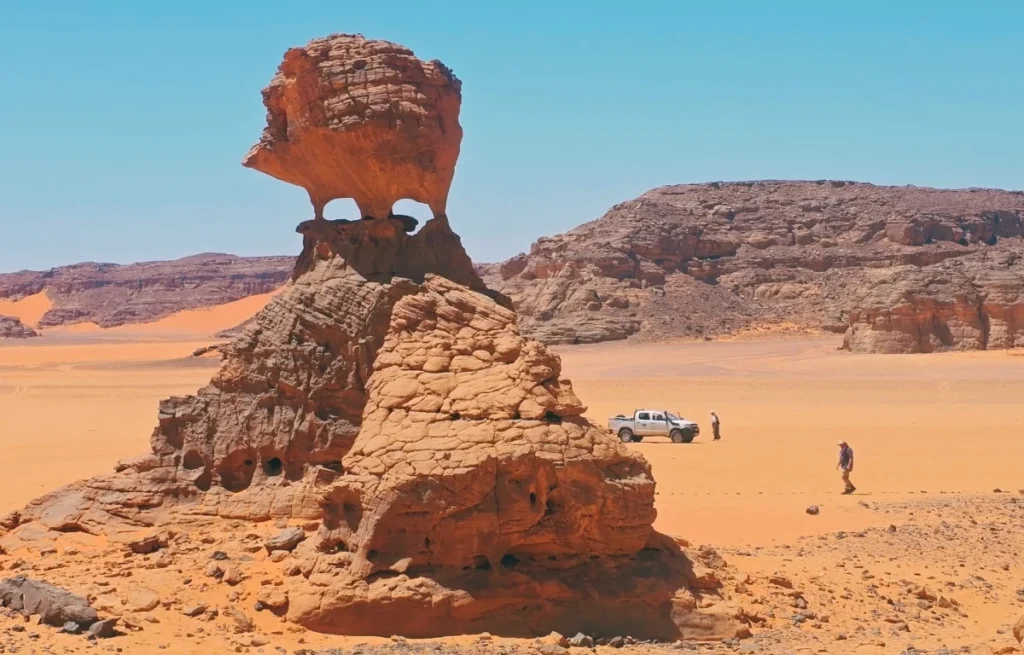
The Sahara: silence, scale and soul
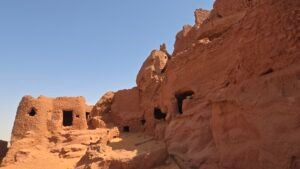
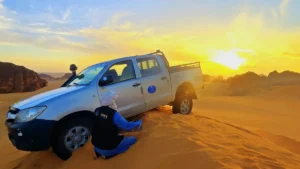
Perhaps Algeria’s greatest revelation lies south, where the Sahara unfolds in monumental beauty. Around Djanet, travellers explore the surreal rock formations and ancient engravings of the Tassili n’Ajjer plateau, one of humanity’s most important open-air museums.
Here, tourism is deeply connected to local Tuareg communities, with desert journeys designed around respect, storytelling and preservation rather than speed or spectacle.
Why this recognition matters
BBC Travel’s annual list is not about hype. It focuses on destinations that:
- Offer extraordinary experiences
- Actively protect cultural and natural heritage
- Use tourism to benefit local communities
- Provide a meaningful alternative to overcrowded hotspots
Algeria’s inclusion – and its ranking as number two worldwide – confirms a powerful truth: the future of travel belongs to places that remain authentic, generous and deeply rooted in their identity.
2026: the year Algeria awakens
For travellers willing to look beyond the usual circuits, Algeria in 2026 offers something increasingly rare: space, sincerity and discovery. It is a country where hospitality is instinctive, history is immense, and landscapes feel almost untouched by time.
As BBC Travel concludes, while Rome may be eternal, Algeria has the ruins – and the silence.
And now, the world is finally listening.