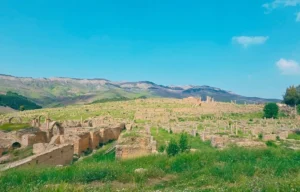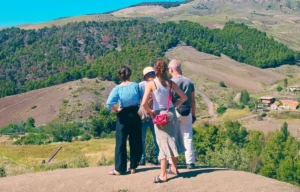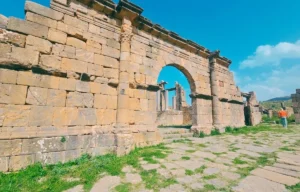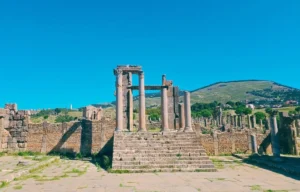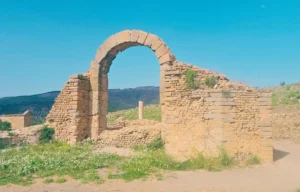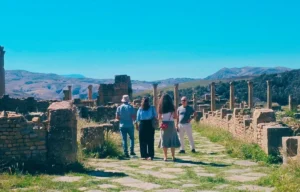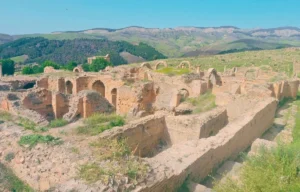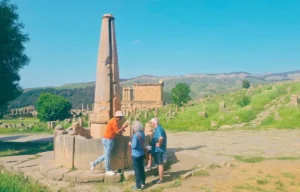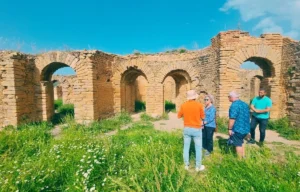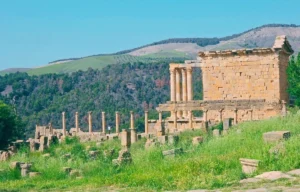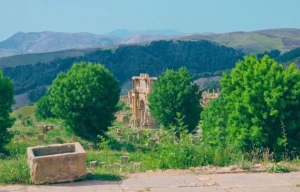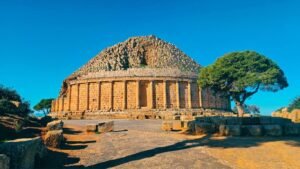
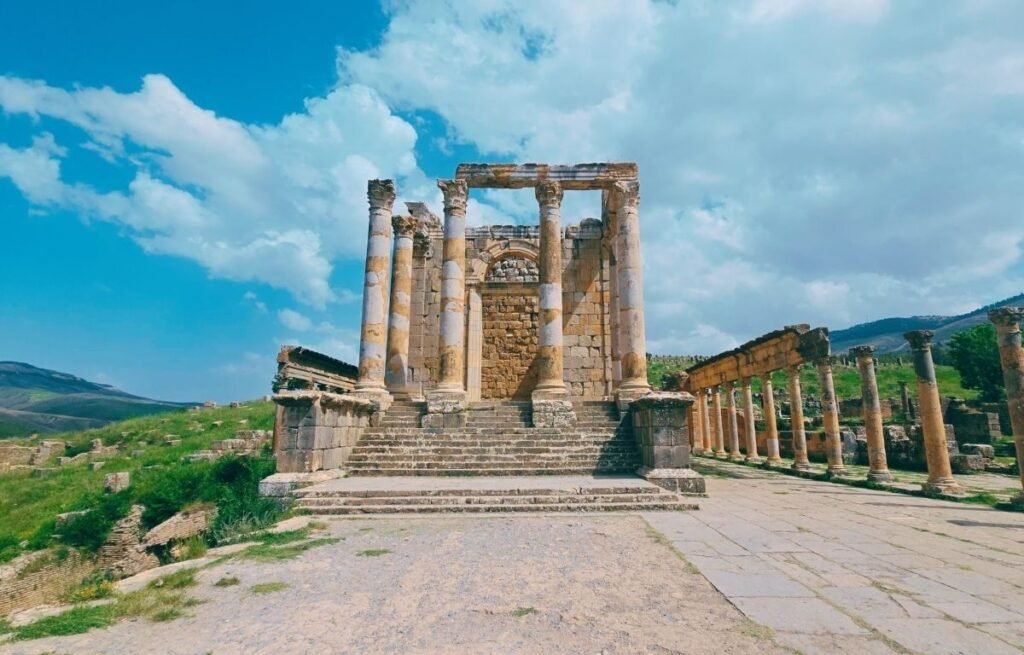
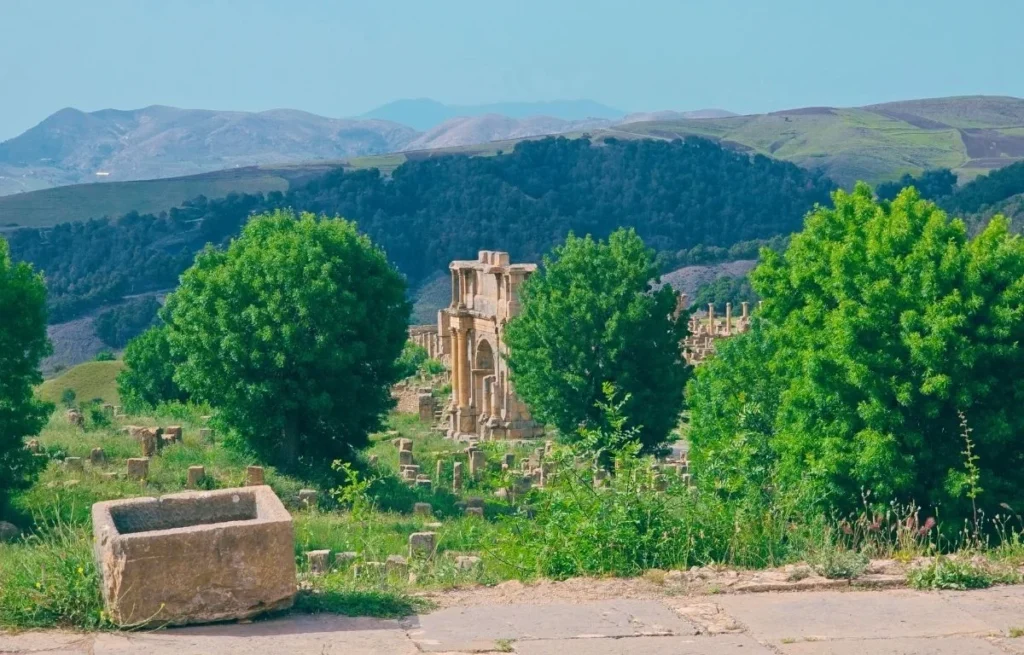
Nestled high in the Algerian mountains at 900 meters above sea level, Djémila stands as one of the most spectacular and well-preserved Roman sites in existence. This UNESCO World Heritage Site, whose Arabic name aptly translates to “beautiful,” represents a remarkable fusion of classical Roman urban planning and ingenious adaptation to dramatic mountainous terrain. For modern travelers seeking to walk through history, Djémila offers an unparalleled journey back to the zenith of Roman civilization in North Africa.

The Historical Saga of Cuicul: From Roman Garrison to Trading Hub
Founded around 96-98 AD under Emperor Nerva as the Roman city of Cuicul, this settlement began as a military garrison strategically positioned on a narrow triangular plateau . The location at the confluence of two wadis (river valleys) provided natural defenses and access to vital resources.
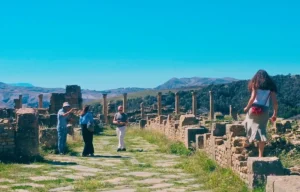
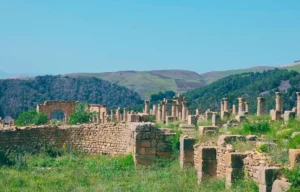
Unlike many Roman cities built on flat terrain, Cuicul’s planners masterfully adapted the standard grid layout to conform to the challenging mountainous landscape . The city flourished from the 2nd to 6th centuries, growing into a prosperous trading center with an estimated population of 10,000 at its peak . Its wealth derived primarily from agricultural resources, particularly cereals, olive trees, and farming .
A City Through the Centuries
- 1st Century AD: Established as a Roman colony with traditional forum, Cardo Maximus, and Decumanus Maximus as main axes
- 3rd Century: Expanded beyond original ramparts during reign of Caracalla, adding new forum, temples, and public buildings
- 4th-5th Centuries: Christianity gained prominence, leading to construction of extensive ecclesiastical quarter with multiple basilicas
- 6th Century: Briefly revived under Byzantine rule after Vandal occupation but gradually abandoned following Arab conquest
The city was eventually abandoned after the Arab invasion in the 7th century, leaving the ruins remarkably preserved until their rediscovery in 1839 and subsequent archaeological excavations beginning in 1909 .
The Architecture of the Roman City Djemila: Grandeur in Mountain Terrain
The Original Forum and Civic Center
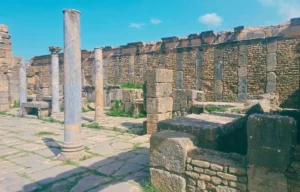
The heart of ancient Cuicul beats in its original forum, a large paved square surrounded by essential civic buildings . This area represents the classic Roman urban planning that characterized the city’s early years:
- The Capitolium: The city’s main temple, dedicated to the Capitoline Triad of Jupiter, Juno, and Minerva
- The Curia: Meeting house for the city’s senate and political deliberations
- Basilica Julia: A civil basilica used for administration and justice
- Cosinus Market: The city’s central marketplace located on the northwestern edge of the forum
The Southern Expansion: A New Roman Quarter
As Cuicul prospered, it expanded beyond its original walls in the 3rd century, creating an entirely new district with magnificent public structures . This expansion demonstrated the city’s continued importance and wealth:
- Arch of Caracalla: A majestic 12.5-meter high triumphal arch erected in 216 AD honoring Emperor Caracalla, his mother Julia Domna, and his deceased father Septimius Severus
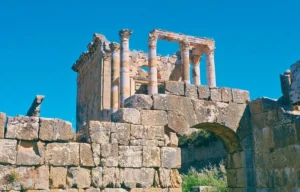
- Temple of Gens Septimia: Dedicated to the Severan imperial family, this landmark temple dominates the southeastern edge of the new forum
- Place des Sévères: The central plaza of the expanded city, surrounded by impressive monuments
The Christian Quarter: Evidence of Religious Transition
By the 4th-5th centuries, Christianity had firmly taken root in Cuicul, leading to the development of an extensive ecclesiastical quarter . These structures represent some of the most significant Paleochristian architecture in North Africa:
- The Cathedral: The main religious building for Christian worship
- Additional Churches: Supporting the growing Christian community
- Baptistry: Considered among the largest of the Paleochristian period
- Auxiliary buildings: Forming a comprehensive religious complex
The Roman Theater: An Engineering Marvel
Built in 161 AD and seating approximately 3,000 spectators, the theater at Djémila represents a remarkable feat of engineering . Constructed outside the town walls—an exceptional decision due to terrain constraints—the theater was carved into the hillside of a valley . The three entrances through which actors made their appearances remain visible today, offering visitors a vivid connection to ancient performances .
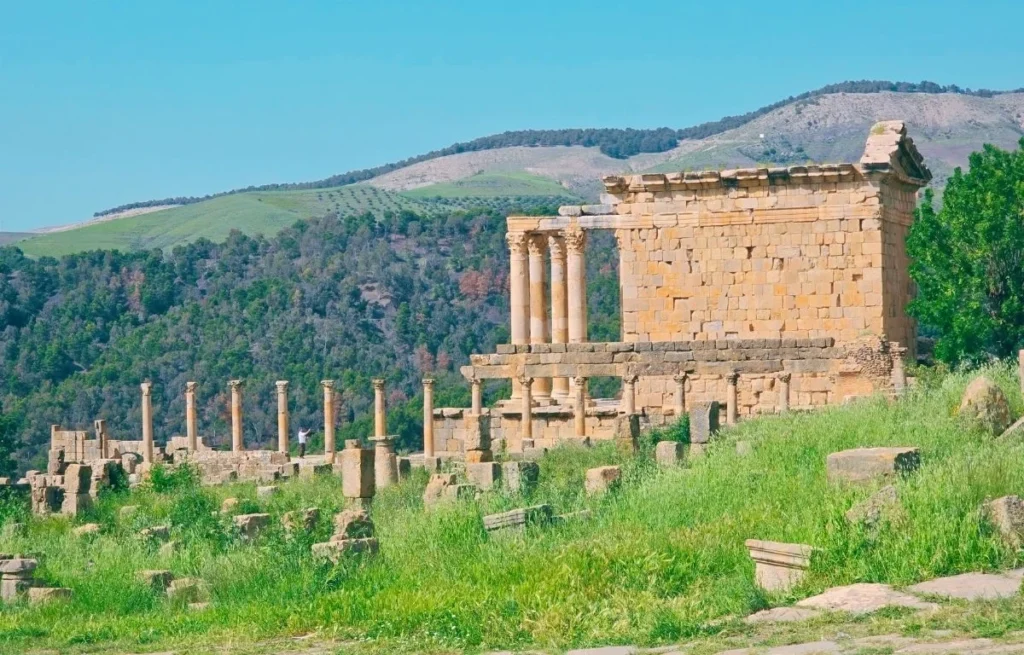
Djemila’s UNESCO World Heritage Status
Djémila was inscribed as a UNESCO World Heritage Site in 1982 for meeting two key criteria that underscore its global significance :
Criterion (iii): Exceptional Testimony to a Vanished Civilization
Djémila bears extraordinary witness to Roman civilization in North Africa, representing “one of the world’s most beautiful Roman ruins” with archaeological vestiges that seamlessly integrate with their natural environment .
Criterion (iv): Illustrating a Significant Stage in History
The site exemplifies a type of architectural ensemble that illustrates a significant stage in Roman history of North Africa from the 2nd to the 6th centuries, showcasing how classic Roman urban planning was innovatively adapted to geophysical constraints .
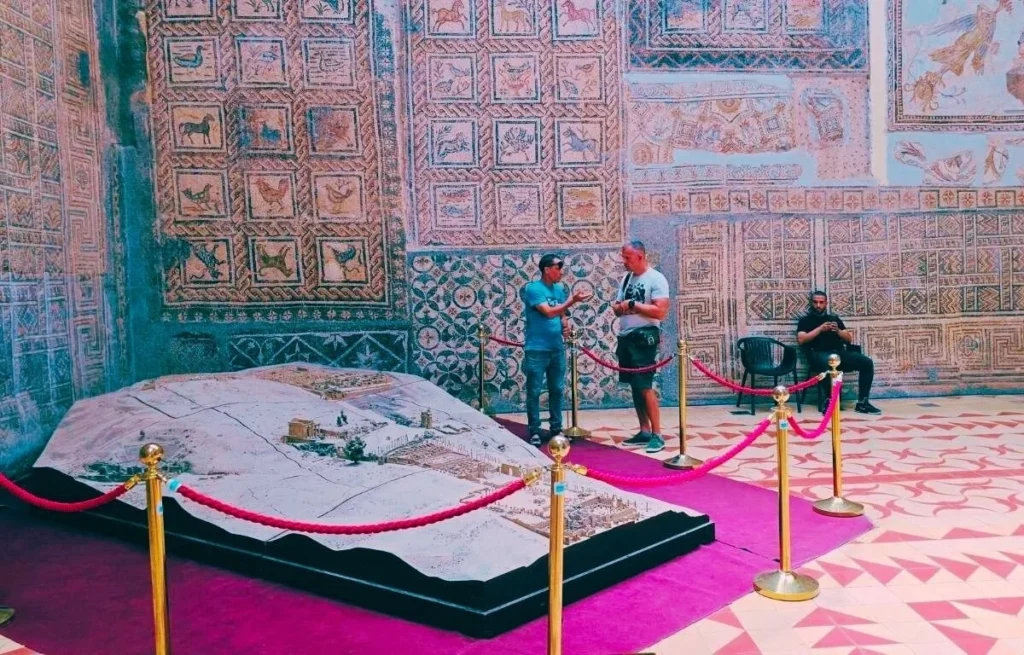
The Magnificent Mosaics of Djemila
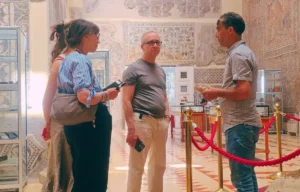
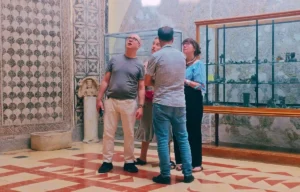
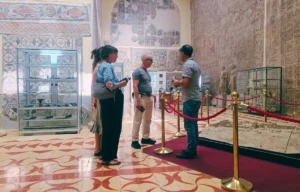
One of Djémila’s most breathtaking artistic treasures is its collection of mosaic pavings, which illustrate mythological tales and scenes of daily life . These exquisite works of art, now displayed in the on-site museum, provide vibrant insights into the cultural and domestic world of Roman North Africa:
- Mythological Depictions: Scenes from Roman and local mythology
- Hunting Scenes: Dynamic representations of hunting expeditions
- Geometrical Motifs: Intricate patterns showcasing artistic sophistication
- Daily Life Representations: Rare glimpses into ordinary activities of the era
The mosaics found at Cuicul share similarities with others in Roman Africa while maintaining distinctive local characteristics .
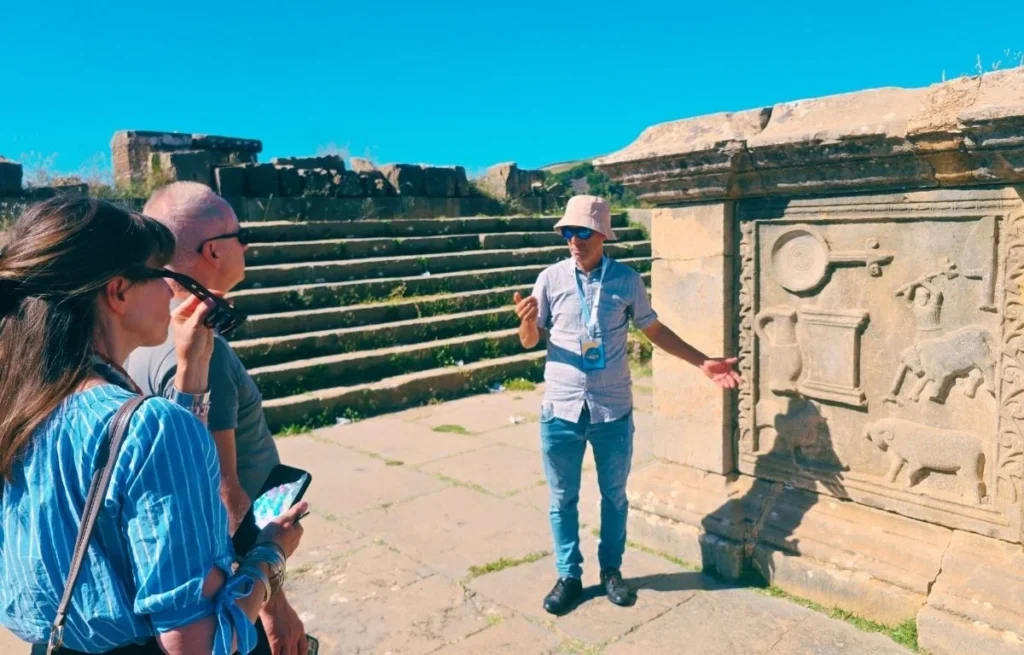
Planning Your Visit to the Roman City Djemila with Oryx Voyage
Best Time to Visit
- Spring (March-May) and autumn (September-November) offer pleasant temperatures for exploring the extensive ruins
- Summer months can be hot, though the high altitude provides some relief from extreme heat
Getting There
- Location: Approximately 50 km northeast of Sétif and about 3 hours 45 minutes from central Algiers via the A1 road
- From Constantine: Arrange a private driver (approximately 2 hours one way) or join a guided tour
- Public Transport: Buses and shared taxis from Constantine to Sétif or El Eulma, then arrange local transport to Djémila
Entry Requirements and Practical Information
- Entrance Fee: Approximately DA130 for the ruins
- Museum Fee: DA120 (sometimes included with ruins ticket)
- Important Note: Foreign visitors should carry passports, as they may be requested at the entrance. There are occasional reports of permits being required, which can typically be obtained through local tour operators or at police stations in Constantine or Sétif .
Maximizing Your Experience
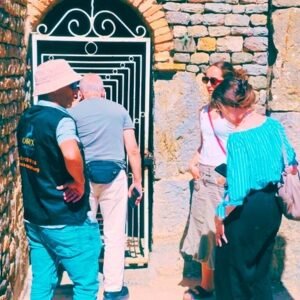
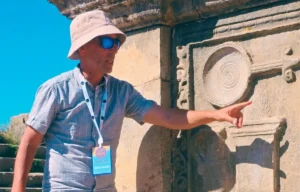
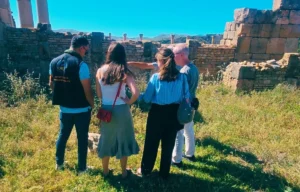
- Guided Tours: Expert guides bring the ancient city to life with insights into its history and inhabitants. French and Arabic-speaking guides are typically available at the entrance .
- Comfortable Footwear: The site covers extensive terrain with uneven surfaces and hilly areas
- Adequate Time: Allow at least half a day to explore the extensive ruins thoroughly
- Site Museum: Don’t miss the museum near the entrance, which houses an impressive collection of statues and mosaics

Discover Djémila with Oryx Voyage
At Oryx Voyage, we specialize in crafting immersive journeys to Algeria’s most remarkable historical sites. Our expert guides and carefully planned itineraries ensure you experience the magic of Djémila and understand its pivotal place in North African history. We handle all logistical details, from transportation to entry requirements, allowing you to focus entirely on the awe-inspiring beauty of this archaeological treasure.
Djémila stands as a testament to Roman ingenuity and the rich cultural heritage of Algeria. Its unique adaptation to mountain topography, combined with its exceptional state of preservation, creates an unforgettable experience for history enthusiasts and travelers alike.
Ready to walk through an ancient Roman city in the Algerian mountains? Contact Oryx Voyage today to begin planning your unforgettable journey to Djémila and discover why this “Beautiful One” continues to captivate visitors nearly two millennia after its foundation.
Gallery