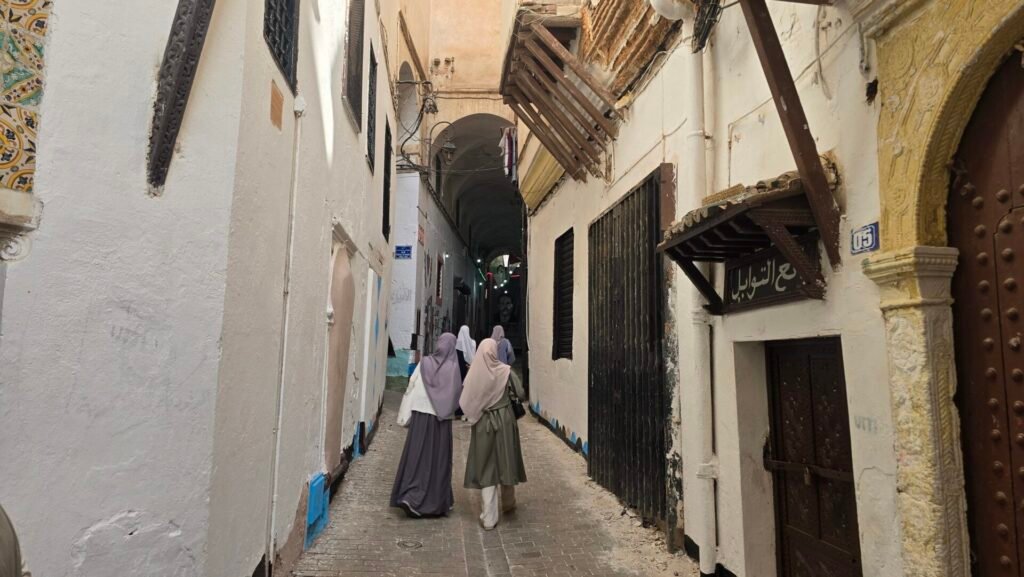
The Casbah of Algiers is far more than a historic monument; it is the living, breathing heart of the Algerian capital. This UNESCO World Heritage Site is a mesmerizing labyrinth where every narrow alleyway, whitewashed house, and ornate palace tells a story of ancient civilizations, powerful corsairs, and revolutionary heroes. For travelers seeking an authentic immersion into Algeria’s soul, the Casbah offers an unforgettable journey through time .
For a quick overview of this magnificent site, here are its key facts:
The Historical Saga of the Casbah
The Casbah’s story begins over two millennia ago. The site was first inhabited by Phoenician traders as early as the 6th century BC, who established a trading post called Ikosim—believed to mean “Island of Owls” or “Island of Thorns”—on the islands offshore . This was followed by successive rules by the Carthaginians, various Berber tribes, Romans, and Byzantines, each layer adding to the rich archaeological tapestry of the city .
The city’s defining era came in the 16th century under the Ottoman Empire. The famous corsair brothers, Baba Aruj and Khayr al-Din (known in Europe as the “Barbarossa” brothers), were invited to evict Spanish occupiers . It was Khayr al-Din who, after his brother’s death, fortified the city with the ramparts that still define the Casbah’s boundaries today and solidified its role as a major power in the Mediterranean . The term “Casbah,” meaning “citadel,” originally referred to the highest point of the medina but eventually came to denote the entire old city enclosed by these 16th-century walls .
The Casbah played a pivotal role in Algeria’s struggle for independence, serving as a crucial base and hideout for FLN fighters during the Algerian War (1954-1962) . Its impenetrable maze of streets was the stage for events immortalized in the famous film The Battle of Algiers . The legacy of this period is still palpable, with murals of martyrs like Ali La Pointe adorning the walls .
A Labyrinth of History and Architecture
Built on a steep hill sloping down to the Mediterranean, the Casbah is a triangular, pyramid-like urban fabric that forms a “colossal pyramid” when viewed from the sea . It is a unique example of Islamic urban planning adapted to a mountainous site, characterized by its vertical development and dense configuration of roughly 1,200 houses on just 36 hectares of land .
A walk through its 350 winding streets, alleys, and dead ends—which would stretch over 15 kilometers if laid end to end—is a journey through architectural layers . Key highlights for visitors include:
- Ottoman Palaces (Dars): Discover magnificent palaces like Dar Mustapha Pacha and Dar Aziza, which feature stunning marble courtyards with central fountains to keep the houses cool . These homes are architectural marvels, with rooms arranged over two floors around the courtyard and walls decorated with hundreds of thousands of imported faience tiles .
- Historic Mosques: The Casbah is home to several significant mosques, including the Ketchaoua Mosque, a masterpiece showcasing a fusion of Moorish and Byzantine architecture that has been a church and back to a mosque through its turbulent history .
- The Citadel: The original fortress that gives the district its name overlooks the entire medina, though today it exists mostly as remains .
- Bastion 23 (Palais des Rais): A complex of three palaces and fishermen’s houses built in 1576, offering an evocative insight into the lives of the Deys and corsairs during the Ottoman era .

The Deeper Significance: Why the Casbah is a UNESCO Site
The Casbah was inscribed as a UNESCO World Heritage site in 1992 for two main reasons, which speak to its global importance :
- Criterion (II): A Site of Cultural Exchange: The Casbah exercised considerable influence on architecture and town-planning across North Africa, Andalusia, and sub-Saharan Africa during the 16th and 17th centuries. Its unique houses and dense urban fabric represent a synthesis of numerous traditions .
- Criterion (V): A Model of Traditional Settlement: It is an outstanding example of a traditional human settlement representing a profoundly Mediterranean Muslim culture. The citadel, mosques, palaces, and traditional urban structure are the result of the site’s interaction with various layers of population over centuries .
Planning Your Visit to the Casbah
Exploring the Casbah is an adventure. Here is how to make the most of your experience:
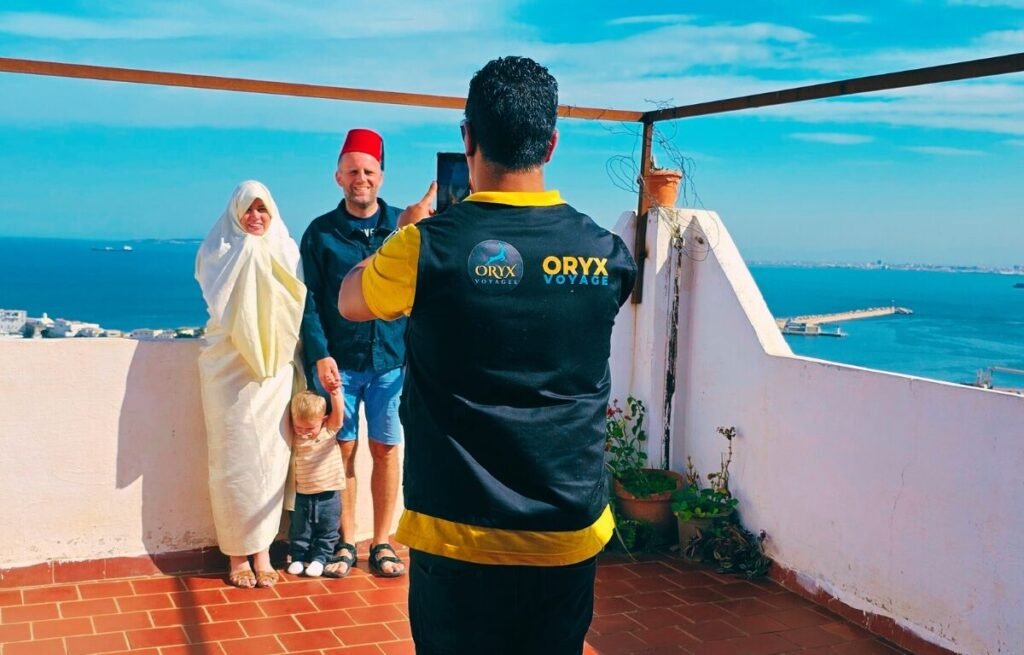
- Go with a Guide: The Casbah is a complex labyrinth that can be challenging to navigate alone. A local guide, especially one with architectural or historical expertise, is invaluable for uncovering the secrets of the alleyways, understanding the history, and visiting the most important sites .
- Wear Comfortable Shoes: Be prepared for steep, stepped, and uneven streets. The main street alone has 472 steps .
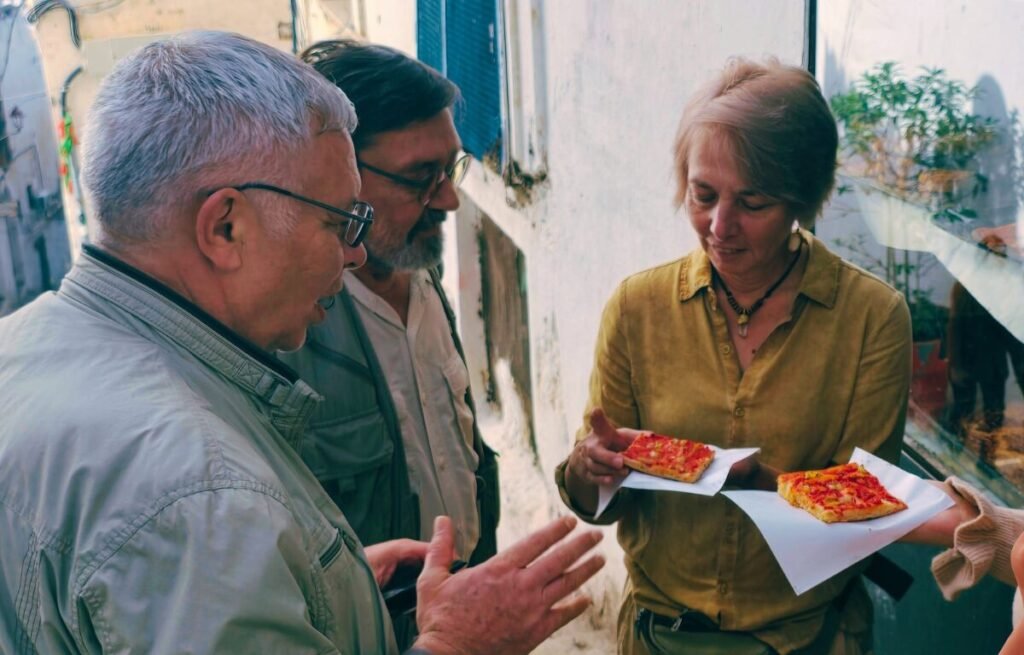
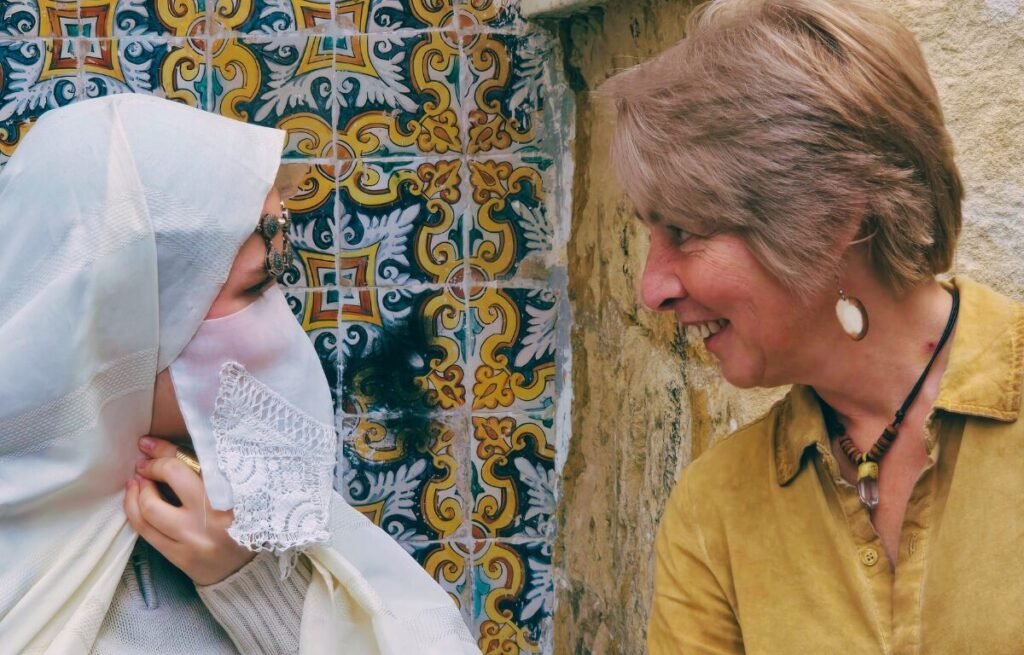
- Engage with the Culture: The Casbah is a living community. Be open to interacting with locals, who are often eager to share stories about their home .
- Look for the Details: Notice the high door knockers, a remnant from the Ottoman era when nobles would knock without dismounting their horses . Observe the rooftop terraces, which historically functioned as a secondary network of pathways above the streets .

Discover the Casbah with Oryx Voyage
The Casbah of Algiers is not just a collection of old buildings; it is the enduring soul of the city. It is a place where history is not just studied but felt—in the cool shade of its alleys, the grandeur of its palaces, and the resilient spirit of its people.
At Oryx Voyage, we believe in creating journeys that connect you deeply with the heart of a destination. We offer expertly guided tours of the Casbah that bring its rich history to life, ensuring a safe, insightful, and profoundly memorable experience.
Ready to lose yourself in the timeless alleys of the Casbah? Contact Oryx Voyage today to begin planning your Algerian adventure.